



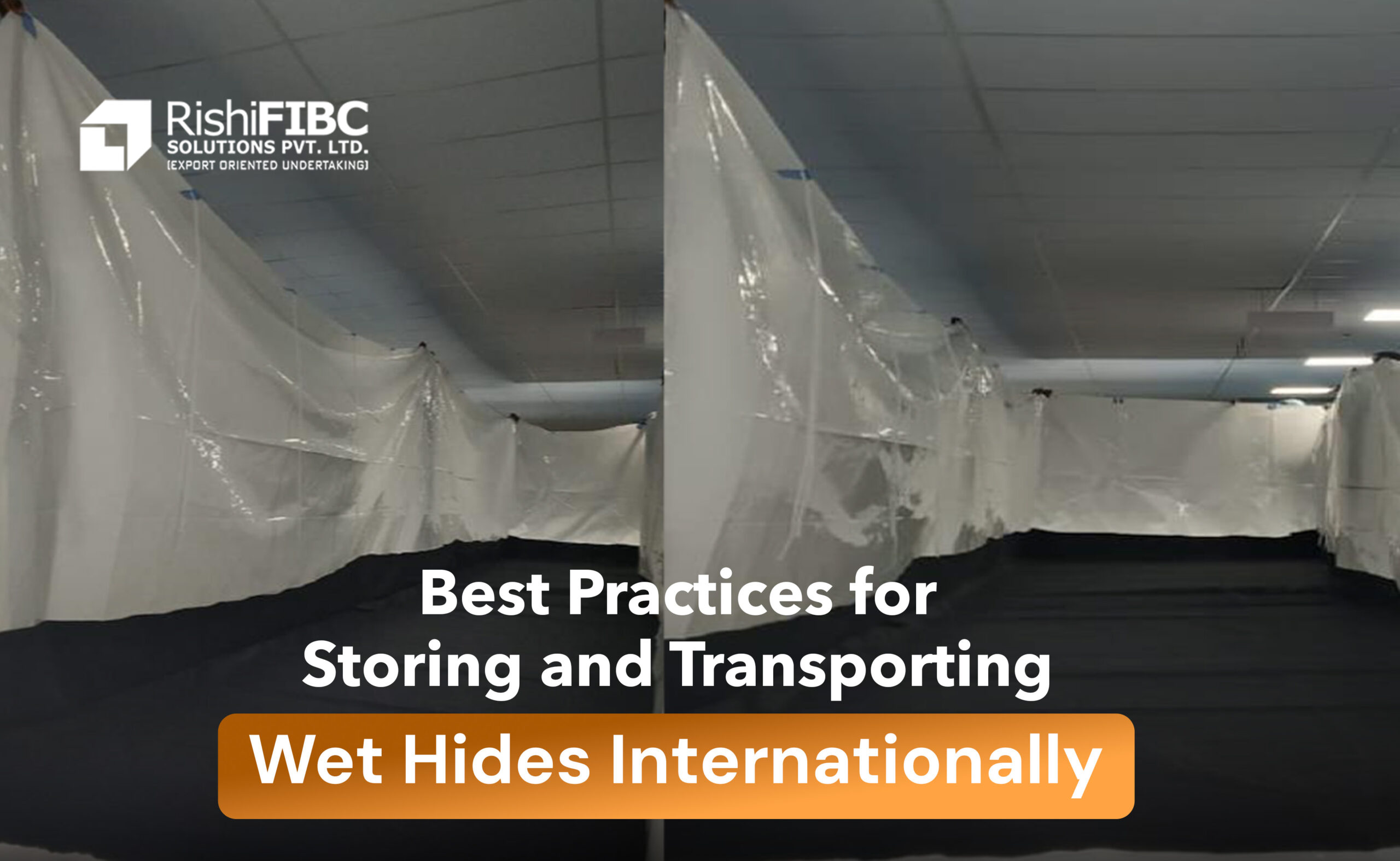
Best Practices for Storing and Transporting Wet Hides Internationally
The global leather industry relies on the safe storage and transport of wet hides. Since these hides contain high moisture and brine-curing salts, they must be shipped under strict hygiene and moisture-control conditions, using wet hide liners. Improper handling can lead to strong odours, leakage, corrosion within the shipping container, and even cargo rejection.
To prevent these issues, exporters follow proven best practices and use reliable materials, such as polyethene liners or wet hide liners, to protect the container and control moisture. With proper inspection, loading, and stacking methods, transporting wet hides becomes safer, more efficient, and fully compliant with international standards.
What Makes Wet Hide Shipping Challenging?
Wet hides, cured with brine or salt solution, carry significant moisture and organic matter. During storage and ocean transit, the hides may release liquid, create strong odours, and generate bacteria if not handled correctly. This moisture can damage container flooring, corrode steel surfaces, and leak onto other cargo if not adequately contained.
To avoid these issues, exporters must rely on durable wet hide liners that serve as a sealed barrier inside the shipping container.
Preparing the Shipping Container For Wet Hides
Before loading any wet hides, the shipping container must be carefully inspected and prepared. This step helps prevent leaks, contamination, and structural damage.
- Inspecting the Container
Check the interior walls, flooring, and doors for:
-
-
-
- Cracks
- Holes
- Rust patches
- Broken flooring
- Loose nails or protrusions
-
-
Any defect may compromise the liner or allow leakage.
- Ensuring Container Cleanliness
The container must be completely odour-free and free from debris, chemical residue, or contaminated surfaces. Wet hides readily absorb foreign odours, which may affect processing quality.
- Installing a Polyethene Wet Hide Liner
A strong polyethene liner is the most critical barrier between the hides and the container. The liner ensures:
-
-
- No leakage of brine or saltwater
- Protection against corrosion
- Containment of moisture and odour
- Clean and safe removal after unloading
-
Install the liner securely and ensure that all seams and edges are tight to prevent any tearing during loading.
Loading Wet Hides Safely and Efficiently
Improper loading can cause load shifting, liner rupture, or uneven weight distribution. Follow these practices for safe transit.
-
- Distribute Weight Evenly
Wet hides are extremely heavy. Load them uniformly from front to back to avoid placing excessive pressure on one section of the container.
-
- Do Not Overfill the Container
Overloading increases the chance of liner damage and can cause hidden liquid pockets that shift during transport. Always stay within the container’s payload limit.
-
- Reduce Excess Brine
Remove unnecessary liquid from hides to prevent pooling inside the liner. Excessive brine is the leading cause of load movement and leakage.
-
- Use Lashings if Needed
Straps or lashings help secure the load and prevent shifting during long sea voyages or road transport.
Storing Wet Hides Before Transport
Proper storage conditions before shipment help preserve hide quality.
-
- Temperature Management
Wet hides must not be stored at high temperatures, as heat accelerates bacterial growth. They should be kept in cool environments until loaded.
-
- Avoid Long Storage Times
Wet hides are not meant for prolonged storage. Quick turnaround reduces the risk of decomposition or odour intensification.
-
- Maintain Proper Ventilation
Airflow helps prevent humidity build-up and slows bacterial growth. Avoid cramped or unventilated holding areas.
Best Practices During International Transit
Once the container is sealed and shipped, several factors must still be monitored to ensure safe delivery.
-
- Prevent Heat Exposure
While wet hides are not refrigerated cargo, avoiding prolonged exposure to heat is essential. High temperatures increase odour and bacterial growth.
-
- Monitor Moisture Levels
Ensure the liner remains intact and there are no visible signs of leakage before dispatch.
-
- Follow Global Guidelines
International standards provide recommendations on container preparation and wet hide handling. Adhering to these ensures cargo acceptance at the destination and eliminates the risk of penalties.
Benefits of Using High-Quality Wet Hide Liners
Wet hide liners made from durable polyethene offer several advantages:
-
- Prevent leakage of brine and saltwater
- Protect shipping container flooring and walls
- Reduce odour spread
- Improve hygiene during loading and unloading
- Ensure regulatory compliance
- Reduce risk of cargo rejection
A high-grade liner is a small investment that prevents significant operational losses and container cleaning charges.
Transporting wet hides internationally requires care, the right equipment, and a complete understanding of global standards. From container inspection and liner installation to weight distribution and temperature control, every step contributes to safe and successful transport. Polyethene liners play a central role in achieving leak-free, hygienic, and compliant shipments.
Start Ensuring Safer Wet Hide Shipments
If you transport wet hides globally, choosing the right damp hide liner can significantly improve handling, safety, and compliance. Explore high-strength polyethene liners designed to prevent leakage, protect containers, and simplify loading. Get in touch today to find the ideal liner solution for your wet hide shipments and ensure safe, efficient, and cost-effective transport every time.
FAQ
Q1: Why is a wet hide liner necessary for transporting wet hides?
A wet hide liner prevents brine leakage, protects the shipping container from corrosion, controls odour, and maintains hygiene. It creates a sealed barrier that keeps moisture contained and ensures safe, compliant transportation of wet hides.
Q2: What type of liner is best for shipping wet hides internationally?
A polyethene wet hide liner is the most reliable option. It is durable, leak-resistant, and designed to handle the high moisture content of wet hides, protecting the container and preventing contamination during long transport.
.
Q3: How should a shipping container be prepared before loading wet hides?
Inspect the container for cracks, holes, rust, or loose flooring. Clean it thoroughly, remove odours, and install a secure polyethene liner that covers all sides. Proper preparation helps avoid leakage, damage, and spoilage.
Q4: What causes damage during wet hide shipping?
Damage usually occurs due to excess brine, uneven weight distribution, poor ventilation, or a damaged liner. These issues can lead to leaks, bacterial growth, odour spread, and even cargo rejection at its destination.
Q5: How can exporters ensure wet hides remain safe during long international transit?
Exporters should use a high-quality wet hide liner, secure the load with lashings, avoid heat exposure, monitor moisture levels, and follow global shipping guidelines. These practices ensure safe, hygienic, and compliant transport.