



Why Jumbo Bags Are a Game-Changer for Agro Exporters
If you’ve been in the agro export business for any length of time, you’ve probably wrestled with the same problem — how do you move large quantities of grain, seeds, spices, or pulses across borders without compromising quality, inflating costs, or creating logistical nightmares? That’s precisely where Jumbo Bags step in. These flexible, large-capacity packaging solutions have quietly become the backbone of India’s agro export industry. And once you understand how they work, you won’t look at your old sacking system the same way again.
What Exactly Are FIBC Jumbo Bags?
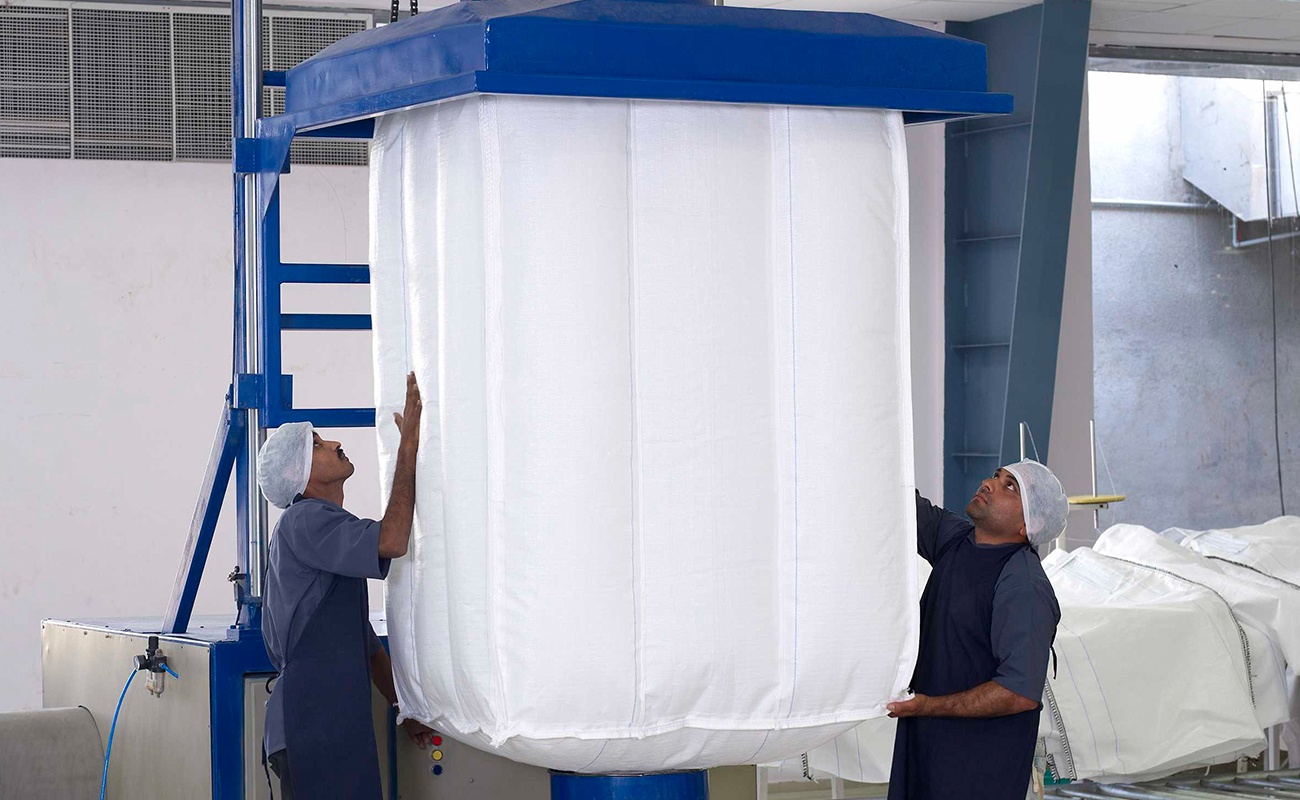
FIBC stands for Flexible Intermediate Bulk Container. In plain language, it’s a large woven polypropylene bag — designed to carry anywhere from 500 kg to 2,000 kg of bulk material. FIBC Bulk Bags are used across industries, but their fit in agriculture is near-perfect. They’re breathable when required, moisture-resistant when lined, dust-proof, and completely customizable.
India has become a significant sourcing hub for these bags globally. A growing number of jumbo bags manufacturers in India now produce export-grade FIBC bags that comply with international standards — including ISO, BRC, and food-grade certifications.
Jumbo Bags in Agro Exports — The Configurations That Actually Matter
This is where many buyers get confused. Not every FIBC Bag design works for every agricultural product. The top and bottom configurations make all the difference.
Top (Inlet) options for agro exports
- Open top with fill spout: Most common in grain and seed exports. The spout allows controlled filling without spillage — ideal when filling via conveyor or pneumatic systems.
- Duffle top (open top with skirt): Used when filling is done manually or with a bucket elevator. It gives operators easier access and reduces airborne dust.
- Closed top with filling spout: Preferred for fine powders like flour or spice blends. Prevents contamination and moisture ingress during transit.
Bottom (Discharge) options for agro exports
- Flat bottom: Standard and cost-effective. Works well for most dry agro commodities that don’t need controlled discharge.
- Discharge spout (bottom spout): A game-changer for bulk grain and pulse exporters. It allows gravity-fed discharge without having to cut the bag open — clean, fast, and product-safe.
- Pallet bottom: Common when the bags need to sit stably on pallets during sea freight. Reduces shifting and protects bag integrity during long shipping cycles.
Key Applications of Jumbo Bags in Agro Exports
Jumbo Bags are widely used across agricultural export segments due to their versatility and strength.
- Grain Exports
Used for rice grain, wheat, maize, and barley. These bags ensure safe storage and transport while protecting against contamination. - Pulses and Oil Seeds
Suitable for lentils, soybeans, and sunflower seeds. The strong fabric prevents tearing during handling. - Sugar and Flour
Fine products require controlled filling and discharge. FIBC Bags with spout designs work best here. - Animal Feed and Fertilizers
Bulk transport of feed and fertilizers becomes easier with high capacity bags. These bags support large volume shipments without repeated handling.
- Grain Exports
Why Jumbo Bags Are a Boon for Agro Exporters
- Cost efficiency at scale
Traditional small sacking requires hundreds of units per shipment. A single FIBC Jumbo Bag replaces 20–40 standard bags. That’s fewer labor hours, fewer handling touchpoints, and dramatically reduced per-unit packaging cost. For high-volume exporters, the savings compound quickly. - Protection that travels well
Agricultural commodities are vulnerable. Moisture ruins grain. Pests invade improperly sealed sacks. UV degradation affects quality over long ocean freight journeys. FIBC Bags are built with UV-stabilized fabric and are available with inner PE liners — giving the product a sealed, food-grade environment throughout transit. - Compliance with international import standard
Many importing countries — especially in Europe and the Middle East — demand that food-grade bulk packaging meet specific hygiene and contamination standards. Reputable FIBC Jumbo Bag Manufacturer units in India produce bags that are BRC-certified and food-contact compliant, making customs clearance smoother. - Space and weight optimization for freight
Container space is expensive. FIBC Bags are designed to maximize cubic volume. They fill corners that rigid containers can’t. When filled and stacked correctly, they allow for optimal container utilization — directly impacting freight cost per ton. - Reusability and sustainability
Many agro exporters working with repeat buyers are now opting for reusable FIBC Bulk Bags. They can withstand 5–10 cycles when handled correctly. This reduces packaging waste — and increasingly, global buyers are factoring sustainability into their procurement criteria. - Customization for brand and compliance
Bags are printable. Exporter name, product details, country of origin, net weight, lot number, and phytosanitary markings can all be printed directly on the bag. This reduces labelling errors and strengthens brand visibility at the destination.
- Cost efficiency at scale
What to Check When Sourcing FIBC Bags for Agro Use
Not all bags are created equal. Here’s what experienced exporters look for:
- Safe Working Load (SWL) rating — minimum 5:1 safety factor for food-grade applications
- Food-grade certification and BRC compliance for edible commodity exports
- UV treatment level — especially for bags stored outdoors pre-shipment
- Liner type — whether the product needs a PE liner, anti-static liner, or no liner at all
- Loop configuration — cross-corner loops are standard; stevedore straps add extra security during crane handling at ports
India’s Advantage — A Thriving FIBC Manufacturing Ecosystem
India has emerged as one of the world’s top suppliers of FIBC Bags and for good reason. Raw material availability, competitive labor costs, and a mature textile weaving industry have all converged to produce a reliable ecosystem of jumbo bags manufacturers in India who export to over 60 countries.
If you’re an agro exporter still using traditional hessian or small PP woven sacks, it’s worth doing a cost-benefit analysis with a qualified FIBC Jumbo Bag Manufacturer. The shift often pays for itself within a few shipment cycles.
The agro export industry is competitive. Margins are thin. Packaging is one of the few areas where a smarter choice at the beginning of the supply chain can protect quality, reduce cost, and improve buyer confidence — all at once.
FAQ
[/vc_column_text]
Q1: What is the standard capacity of Jumbo Bags used in agro exports?
Most Jumbo Bags used in agro exports range from 500 kg to 2,000 kg. The most common size for grain and pulse exports is 1,000 kg (1 MT). Capacity depends on bulk density, shipping requirements, and the buyer’s offloading setup at the destination port.
Q2: Are FIBC Bags food-safe for exporting edible commodities like rice or spices?
Yes — food-grade FIBC Bags are manufactured using virgin polypropylene with PE liners to prevent contamination. BRC-certified manufacturers follow strict hygiene standards. Always confirm food-contact compliance and certifications before ordering bags for edible agro commodities.
Q3: Which bottom type is best for bulk grain discharge in agro exports?
A discharge spout bottom is preferred for most grain and pulse exports. It allows gravity-fed, contamination-free emptying at destination warehouses. FIBC Bulk Bags with this configuration reduce product loss and save labor during unloading, especially in mechanized storage facilities.
Q4: How do I find a reliable FIBC Jumbo Bag Manufacturer in India for agro use?
Look for an FIBC Jumbo Bag Manufacturer with BRC certification, food-grade production lines, and documented export experience. Request samples, verify safety factor ratings (minimum 5:1 SWL), and check if they offer customization — including liner options, print, and loop configurations suited to agro exports.