


FIBC Industry Insight: Where the Bulk Packaging Market Is Headed
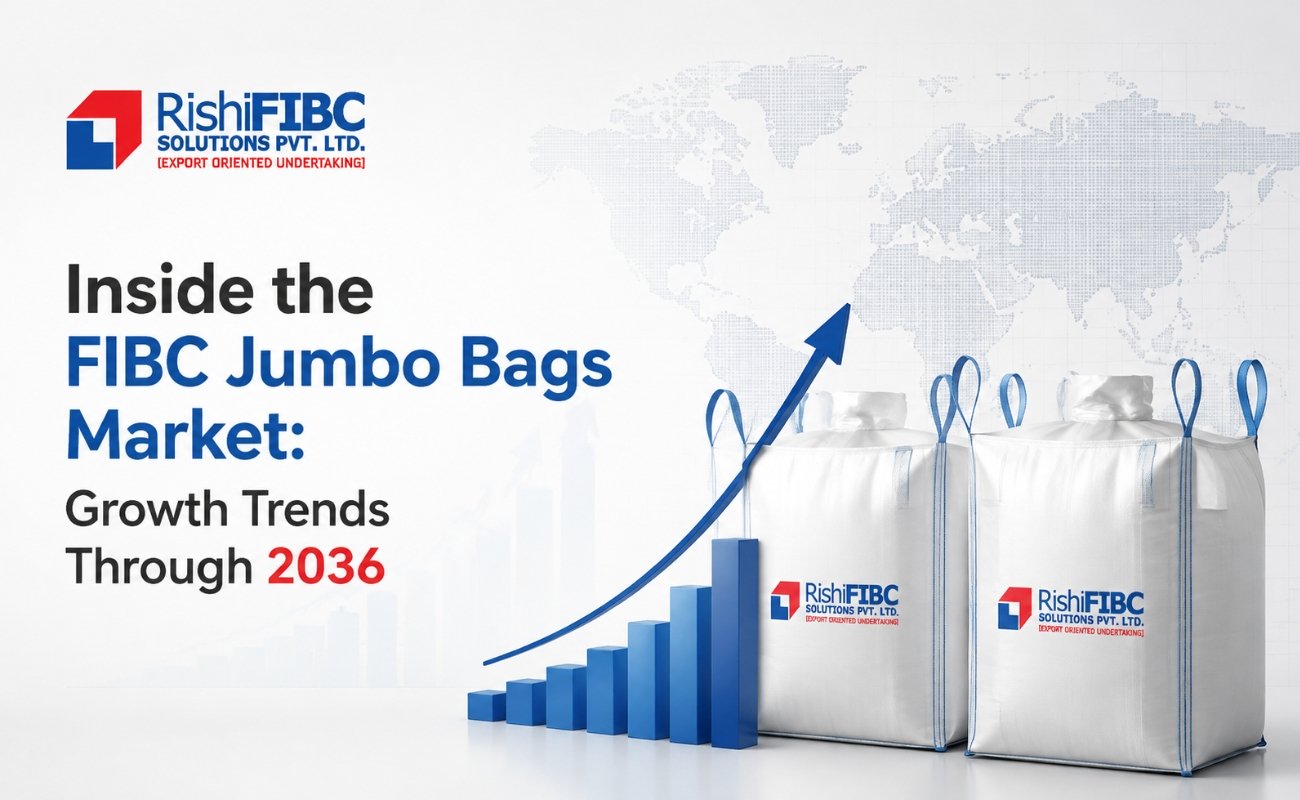
FIBC jumbo bags now move a large share of the world’s dry bulk cargo, and the numbers behind that shift tell a clear story. Global demand for these bags is climbing every year, driven by chemical plants, food processors, and construction suppliers that all need a smarter way to handle powders and granules. For buyers and manufacturers watching this space, the next ten years look full of opportunity.
Let’s look at where the FIBC industry stands today, what data points to the future, and what exporters and buyers should watch as the market grows.
The Numbers Behind FIBC Jumbo Bags Growth
Market research firm Future Market Insights values the global flexible intermediate bulk container market at USD 6.9 billion in 2026. The same research projects the market to reach USD 10.4 billion by 2036, growing at a compound annual rate of 4.2% over that decade. That gives the industry an incremental opportunity worth roughly USD 3.5 billion across the forecast window.
- Market size, 2026: USD 6.9 billion
- Market size, 2036 (projected): USD 10.4 billion
- CAGR, 2026 to 2036: 4.2%
- Polypropylene material share, 2026: 78%
- 500 kg to 1,000 kg capacity share, 2026: 39%
- Chemicals end use share, 2026: 30%
Source: Future Market Insights, 2026
Woven polypropylene remains the material of choice across bulk bag manufacturers, holding close to four fifths of material demand. This fabric gives buyers a strong balance of tensile strength and manageable cost, which explains its dominant position across chemical, food, and construction cargo alike.
Which Countries Are Leading the Growth
Country level data points to Asia as the engine of FIBC demand over the next decade. India stands out as the fastest growing market, with a projected CAGR of 5.8% through 2036, according to Future Market Insights. China follows close behind at 5.2%
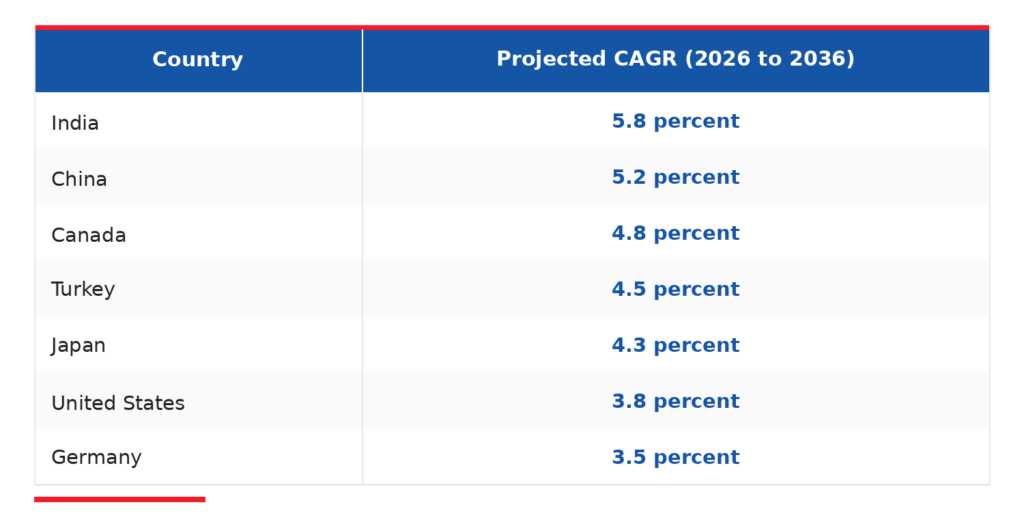
Source: Future Market Insights, 2026
India’s growth story ties directly to its export-focused converter base and strong sewing capacity. Government support has also played a part. The Ministry of Textiles raised export incentive rates for made-up textile products, including FIBC bags, in early 2024, giving manufacturers a fresh reason to invest in capacity built for overseas buyers. China’s growth reflects large-scale polymer supply paired with heavy industrial output, which keeps local converters well stocked with raw material.
What Is Driving Demand for Bulk Bags
- Chemical producers keep shifting away from small sacks toward large flexible packs, which cuts down on manual handling inside plants. One bulk bag can replace dozens of smaller units, which saves labor hours and lowers the risk of spillage during transfer.
- Food ingredient exporters now treat contamination control as a basic requirement rather than an added feature. Liner-ready bags and documented hygiene processes have moved from optional to expected across most export contracts.
- Construction material suppliers continue to lean on FIBC bags for cement additives, sand-based products, and other dry minerals. Forklifts handle these bags cleanly on site, which keeps project timelines on track.
Regulatory activity is shaping the market too. New international standards for flexible bulk container construction, testing, and marking came into force in 2024, giving buyers a clearer benchmark to check supplier claims against. Testing protocols like top lift and mass stack checks are becoming a standard filter that separates serious FIBC bags manufacturers from suppliers selling on price alone.
Where the Opportunity Sits for Bulk Bag Manufacturers
Buyers are no longer just comparing fabric weight. They compare safety certification, liner integration, hygiene documentation, and increasingly, recycled content options. This shift rewards FIBC bag manufacturers that invest in quality systems rather than compete purely on cost.
Recycled and reusable formats are a growing part of this conversation. Buyers who run structured return routes for used bags can unlock real savings, creating fresh demand for manufacturers who can supply durable, multi-trip bags built to survive several cycles of use.
Static control formats also carry a growing share of value, even as standard bags remain the largest volume segment. Chemical plants that handle sensitive powders continue to specify bags with grounding or dissipative properties, and this segment tends to command better margins than commodity bag sales.
What This Means for Buyers Choosing an FIBC Partner
Numbers aside, the real question for any buyer stays the same. Can your supplier prove consistent quality across every shipment, not just the sample batch? A market growing at 4.2% a year will attract new entrants, and not all of them will match the documentation and testing standards that export buyers now expect.
This is where a manufacturer with a strong export track record earns its place. Buyers moving chemicals, food ingredients, or construction materials across borders need a partner who treats quality control as a daily discipline, not a one-time certificate.
Build Your Bulk Packaging Strategy with Rishi FIBC
The FIBC industry is entering a decade of steady growth, and the manufacturers who invest in quality, documentation, and export readiness today will lead the market tomorrow. Rishi FIBC has built its reputation on exactly this discipline, supplying FIBC jumbo bags and bulk bag solutions to exporters who cannot afford a failed shipment.
Whether you need standard bulk bags, food-grade solutions, or bags built for sensitive chemical cargo, Rishi FIBC brings the process control and export experience to back every order. Contact Rishi FIBC today and build your bulk packaging supply chain on a foundation that grows with the market.
FAQ
Q1: How big is the global FIBC jumbo bags market right now?
Future Market Insights values the global FIBC market at USD 6.9 billion in 2026, with growth projected to reach USD 10.4 billion by 2036 at a compound annual rate of 4.2%.
Q2: Which country is growing fastest in the FIBC market?
India leads global growth with a projected CAGR of 5.8% through 2036, supported by strong export conversion capacity and government incentives for textile and packaging exports.
Q3: Which industries create the most demand for FIBC bags?
Demand comes from chemicals, fertilizers, food ingredients, agriculture, construction, mining, pharmaceuticals, and other dry bulk sectors. This broad customer base gives the FIBC market several growth routes across domestic production, international trade, storage, and industrial logistics
Q4: What are industrial buyers seeking from bulk bag manufacturers?
Buyers now assess more than bag price. They review product consistency, test records, hygiene controls, customization, material details, traceability, load requirements, documentation, and delivery performance. These checks matter most for repeat export orders and regulated industrial applications.
Q5: How is sustainability affecting the FIBC market?
Sustainability is shaping material use, waste control, recycling, reuse, and production records. Buyers want clearer data behind environmental claims. Manufacturers that reduce waste and document material content can meet stricter procurement expectations across global supply chains.