



Combating Container Rain: How a Container Thermal Liner Protects Hygroscopic Commodities
Because of changing temperatures, humidity, and the long transit times involved in global shipping, moisture-sensitive products are at risk. A Container Thermal Liner helps protect hygroscopic goods by reducing temperature swings and controlling condensation within shipping containers.
Grains, chemicals, powders, fertilisers, and food ingredients naturally attract moisture from the atmosphere. Moisture entering during transportation may reduce quality, cause contamination, and lead to financial losses. By understanding container rain and its effects, exporters can select better protection measures.
 What Is Container Rain and Why Does It Happen?
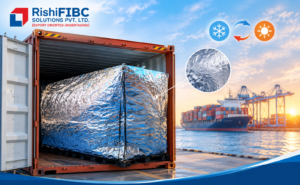
Container rain, or container condensation, is the phenomenon in which moisture located inside a shipping container turns into water droplets. It generally occurs when a large temperature difference exists between the outside environment and the container’s interior.
When containers are being transported internationally, they usually go through various climate zones. For example, a container loaded in a hot, humid area might later pass through colder regions. As the temperature changes, moisture in the air inside the container can condense.
This condensation usually appears on:
-
-
-
-
-
- Container walls
- Container ceiling
- Packaging surfaces
- Product layers
-
-
-
-
Which Commodities Are Most at Risk?
Commodities that are at risk of container rain
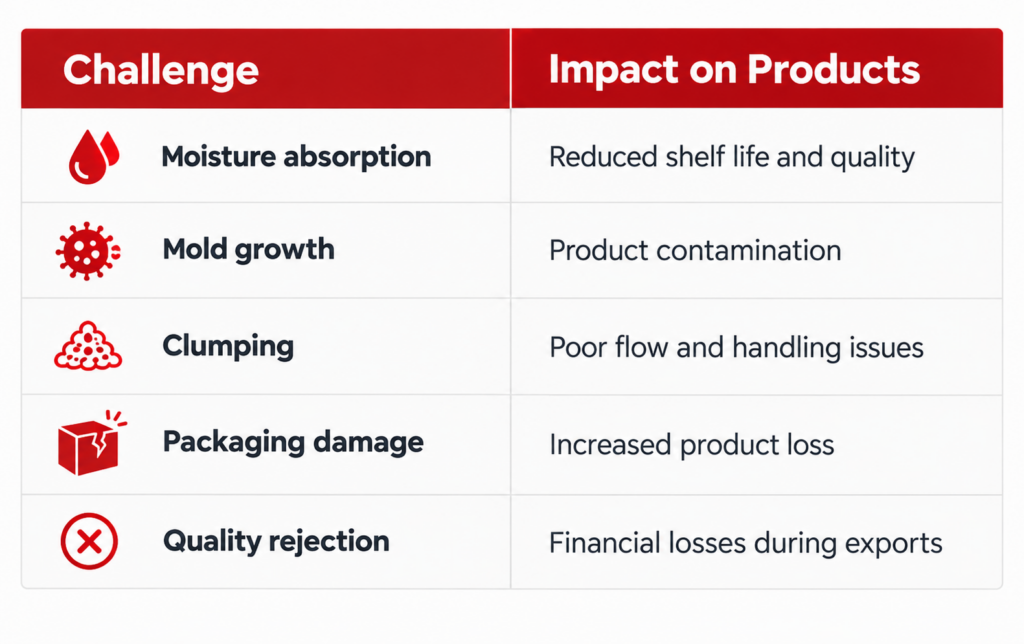
- Coffee beans: Mould, flavour loss
- Cocoa and tea: Aroma loss, mould
- Rice and grains: Fungus, spoilage
- Sugar and salt: Caking, clumping
- Milk powder: Lumps, quality loss
- Fertilisers: Hardening, poor flow
Products that can experience several problems due to container rain. For exporters, such problems can damage customer trust and lead to breaches of international compliance requirements. To maintain product value, you must prevent moisture exposure.
What Is a Thermal Liner?
A thermal liner is a reflective lining hung inside the container. Rishi FIBC makes it from woven polypropylene fabric, laminated with aluminium foil and polythene sheeting. It reflects up to 97% of radiant energy. Thermal container liners suit 20-foot and 40-foot containers. They also serve cargo such as wine, beverages, milk powder and coffee beans.
How Does a Container Thermal Liner Stop Container Rain?
The liner works on the cause, not just the symptom.
- It reflects heat. Outside temperature has less impact on the cargo zone.
- It softens temperature swings. Less sudden cooling means less risk of condensation.
- It forms a barrier. Droplets from cold steel walls do not reach the goods.
- It limits contamination. Cargo stays away from direct contact with the wall.
Thermal liners for shipping containers work best with dry cargo, sound packing and good stowage. Think of them as one strong layer in a complete moisture plan. Well-fitted container liners protect quality from port to final destination.
What Should You Share Before Ordering?
- Give your supplier these details for the right fit:
- Material safety data sheet of the cargo
- Container size, such as 20-foot or 40-foot
- Liner material: woven PP, woven PE or PE
- Design with or without a metal bar
- Loading and unloading method
Ship Dry, Arrive Dry With Rishi FIBC
Container rain remains one of the biggest challenges in global bulk transportation, especially for hygroscopic commodities. Moisture damage can impact product quality, increase losses, and affect customer relationships. A container thermal liner is an effective solution since it reduces temperature fluctuations, controls condensation, and offers better protection during transportation.
For businesses dealing with moisture-sensitive products, choosing the right packaging partner makes a big difference. Rishi FIBC provides reliable thermal liner solutions that are designed to protect valuable cargo and help ensure safer global shipping. If you would like to learn more, contact Rishi FIBC to find the right thermal protection solution for your bulk transport needs.
FAQ
[/vc_column_text]
Q1. What is container rain in shipping containers?
Container rain happens when moisture inside a container condenses due to temperature changes. These water droplets can damage hygroscopic goods by causing mould, spoilage, and quality issues during transport.
Q2. How does a Container Thermal Liner prevent container rain?
A Container Thermal Liner reduces temperature fluctuations inside the container by providing insulation. This helps minimise condensation formation and protects moisture-sensitive products from water exposure during long-distance shipping.
Q3. Which products require thermal liners for shipping containers?
Thermal liners for shipping containers are commonly used for grains, food ingredients, chemicals, pharmaceuticals, and other moisture-sensitive commodities that require protection from temperature changes and condensation.
Q4. Are thermal liners better than regular container liners?
Compared with ordinary container liners, thermal liners provide extra temperature control and are intended for cases where climate changes and the risk of condensation could affect product quality and safety.
Q5. Why should exporters use thermal liners?
Exporters should use thermal liners to reduce moisture damage, maintain product quality, and cut financial losses from condensation during international transport. They are especially useful for long sea trips through changing climates.