



Why Thermal Liners Are Critical for Perishable and Pharma Exports
Global trade in perishable food and pharmaceutical products has skyrocketed. While demand is rising, transporting these sensitive goods remains challenging. Temperature changes, moisture exposure, and contamination risks can easily affect product quality during long international transit. To overcome these issues, many exporters now rely on thermal container liners as a trusted and efficient protection method.
Thermal liners for shipping containers create an insulated, controlled environment inside a regular dry container. By stabilising internal temperature and shielding cargo from external elements, they help maintain product integrity throughout the journey. For exporters of perishable and pharmaceutical goods, using thermal liners is no longer optional. It is essential for safe and compliant shipping.
Understanding Thermal Container Liners
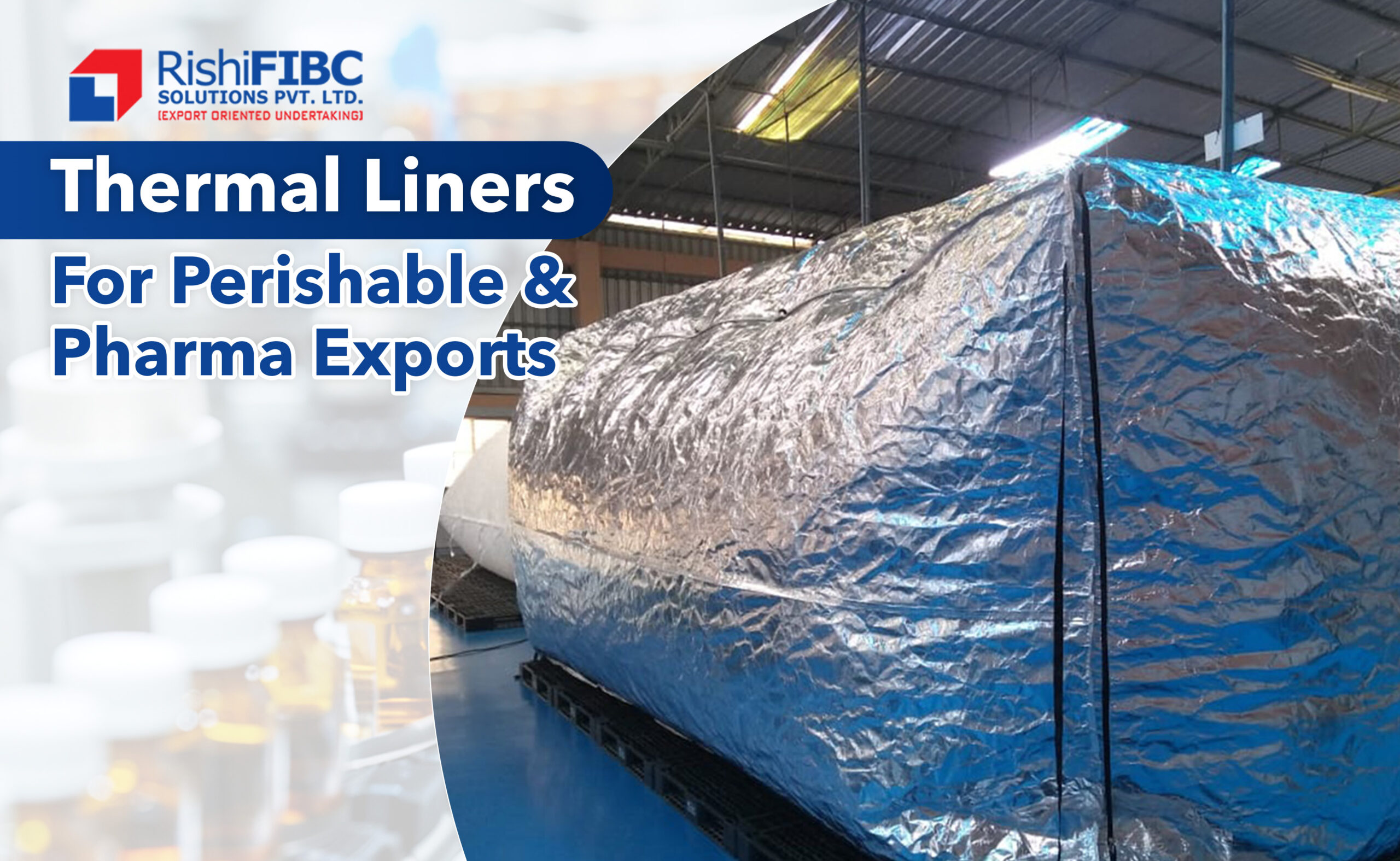
Thermal liners are specially designed insulation systems installed within the walls, ceilings, and floors of standard shipping containers. Made with reflective and insulating materials, they reduce heat transfer and help maintain consistent internal temperatures.
Once installed, the liner acts as a protective shield. It mitigates the impact of external weather conditions and maintains a stable cargo environment. Unlike refrigerated reefers, thermal liners do not require electricity. They naturally preserve the internal atmosphere, making them ideal for moderately temperature-sensitive goods.
Why Thermal Liners Matter for Perishable Exports
1. Protect Perishables from Temperature Swings
Perishables such as fruits, vegetables, dairy, chocolates, beverages, meat, seafood, and frozen foods react quickly to temperature changes. Even a slight fluctuation can lead to:
-
-
-
- Early ripening
- Bacterial growth
- Colour or texture changes
- Reduced shelf life
-
-
Thermal liners form a stable insulation layer that protects these items from heat and cold. This ensures the cargo reaches its destination fresh and safe for consumption.
2. Minimize Spoilage and Financial Loss
Spoilage is one of the biggest concerns in international food exports. Thermal liners help maintain consistent temperature and humidity levels, reducing the chances of cargo damage. This results in lower wastage, fewer customer complaints, and better profitability for exporters.
3. Cost-Effective Alternative to Reefer Containers
Refrigerated containers are valuable but expensive and not always available. Thermal liners offer an economical solution for moderately temperature-sensitive shipments or shorter transit times. They provide reliable protection without ongoing energy costs or cooling equipment.
4. Prevent Condensation and Moisture Damage
Moisture build-up inside containers can destroy perishable goods. Condensation leads to mould, fungal growth, and spoilage. Thermal liners act as a vapour and moisture barrier, preventing condensation and keeping the cargo dry and safe.
Significance of Thermal Liners in Pharma Exports
Pharmaceutical products are highly sensitive and require controlled conditions during transport. Even slight temperature changes can affect the chemistry, potency, and safety of medicines.
- Maintain Potency and Safety of Drugs
Thermal liners help maintain a stable internal climate. This is crucial for biotech products, vaccines, and temperature-sensitive medicines, ensuring they reach their destination with full efficacy.
- Create a Clean and Sealed Transport Environment
Pharmaceutical shipments must remain hygienic. Thermal liners provide six-sided protection that blocks dust, odour, contaminants, and residue from previous cargo. This helps maintain transport hygiene and supports compliance with global pharma standards.
- Reduce Cold Chain Breakage
Cold chain failures can occur due to port delays, handling time, or climate variations. Thermal liners add an extra layer of protection by minimizing internal temperature fluctuations, even when external control is not available.
- Support Regulatory Requirements
Pharma exports are governed by strict quality regulations. Using thermal liners helps exporters meet these guidelines by reducing exposure to environmental risks during transport.
Additional Benefits of Thermal Liners for Shipping Containers
-
-
- Easy installation and removal
- Lightweight and reusable
- Suitable for 20 ft and 40 ft containers
- Ideal for bulk, palletized, and boxed cargo
- Reduce cross-contamination risks
- Provide year-round temperature stability
-
For exporters, these advantages lead to safer transportation, reduced losses, higher customer trust, and stronger brand reputation.
Why Choosing High-Quality Thermal Liners Matters
The performance of thermal liners depends on their construction quality. High-grade liners offer better insulation, durability, and sealing. They maintain cargo integrity more reliably and help avoid spoilage, delays, or rejections at the destination.
For businesses exporting perishable or pharmaceutical products, investing in premium thermal liners ensures long-term safety, compliance, and customer satisfaction.
Begin Your Export Safety Journey
If you are exporting temperature-sensitive products, upgrading to high-performance thermal liners can significantly improve shipment safety and reduce losses. Thermal liners help maintain product freshness, protect pharmaceutical cargo, and support stable long-distance transport conditions.
To explore the best thermal liners for shipping containers or request a customized solution based on your cargo type, reach out to Rishi FIBC today. Secure your shipments with high-quality thermal liners and deliver confidence with every export.
FAQ
Q1: What are thermal container liners?
Thermal container liners are insulated coverings installed inside shipping containers to control temperature, reduce heat transfer, and protect cargo from external conditions. They create a stable environment for transporting perishable and pharmaceutical goods over long distances.
Q2: Why are thermal liners essential for perishable goods?
Perishable goods spoil quickly when temperatures change. Thermal liners help maintain stable internal temperatures, prevent condensation, and reduce moisture damage. This ensures fruits, vegetables, dairy, seafood, and other foods arrive fresh and protected during international transport.
Q3: How do thermal liners help in pharmaceutical shipping?
Pharmaceutical products require strict temperature control and hygiene. Thermal liners provide a sealed, insulated environment that protects drugs from heat, humidity, contamination, and cold chain fluctuations, ensuring potency and compliance throughout the shipping process.
Q4: How does Rishi FIBC ensure hygiene in food and pharma packaging?
Bags are produced in certified cleanrooms with virgin materials under ISO and FDA standards to ensure contamination-free packaging.
Q5: Are thermal liners reusable?
Many high-quality thermal liners are lightweight, durable, and reusable for multiple shipments. Their robust construction allows repeated installations, making them a cost-efficient solution for exporters who handle frequent perishable or pharma shipments.